
Nanjing Chemical Material Corp.

Lowering blood lipids: it can maintain the activity of cholesterol esterase, affect the transport of fat in the body, and reduce atherosclerosis and cerebrovascular damage.
Antioxidant: it can effectively eliminate free radicals in the body, repair various biofilms damaged by free radical peroxidation, and has obvious curative effects on delaying aging, increasing the moisture retention of the stratum corneum, improving the skin and reducing age spots. The antioxidant activity of phospholipids is closely related to the saturation of fatty chain, and the saturation of fatty acid side chain is opposite to its antioxidant capacity. Palacios and other researchers found that the oxidative stability of egg yolk phospholipid (egg yolk lecithin) was better than that of soybean phospholipids (soya lecithin).
Regulate immune function: improve the immune resistance of human body to diseases by regulating the immune enzyme reaction in the body. It can activate the vitality of human macrophages, increase the production of hemolysin, promote the proliferation of lymphocytes, and improve the self-defense ability of human body against disease and aging.
Protect the liver: phospholipids in the diet can significantly reduce the accumulation of lipids in the liver and alleviate liver diseases by inhibiting the absorption and synthesis of lipids, promoting the oxidation and transport of lipids.
Anticancer effect: phosphatidylcholine has the synergistic effect of Anti hepatocarcinoma and protecting liver function, which can benefit high-risk patients with liver cancer. It can inhibit the growth of cancer cells and has a synergistic inhibitory effect on the growth of Hep-3B cells.
Improve memory: the unique amphiphilicity makes phospholipid molecules easily penetrate the blood-brain barrier, thereby improving memory and cognitive function, preventing and delaying the occurrence of neurodegenerative diseases (Alzheimer's disease). Phosphatidylcholine is a well-known dietary source of choline. It promotes the synthesis of acetylcholine, which is an important neurotransmitter for memory and other brain functions.
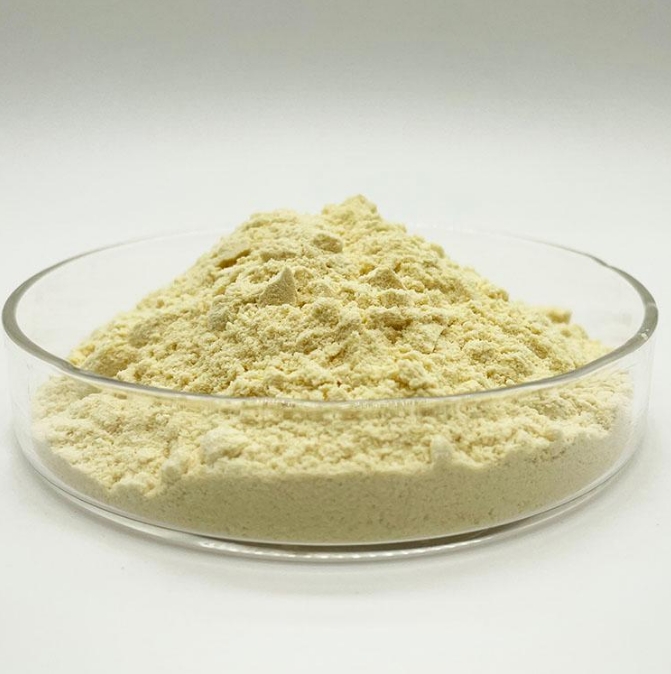
Lecithin (phosphatidylcholine), as a natural surfactant with emulsifying, dispersing, wetting, and solubilizing properties, is widely used in food, pharmaceuticals, cosmetics, and animal husbandry. Below are its pharmaceutical applications:
1) As Active Pharmaceutical Ingredients
Polyene phosphatidylcholine (PPC): Used in hepatoprotective drugs to inhibit alcohol-induced liver fibrosis and cirrhosis.
Phospholipid-based health supplements: For lipid-lowering, memory enhancement, liver protection, and anti-aging.
Topical dermatological agents: Treat skin conditions like tinea pedis and psoriasis by promoting epidermal cell regeneration.
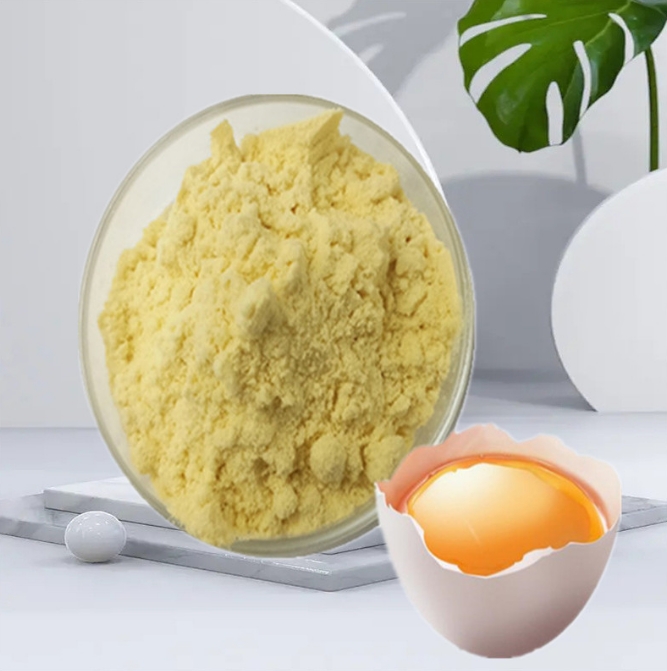
2) As Pharmaceutical Excipients
Phospholipids as emulsifiers: High-PC phospholipids are used to prepare oil-in-water (O/W) emulsions, such as fat emulsions and anticancer drug Brucea javanica oil emulsions.
Phospholipids as liposome membrane materials: Liposomes composed of phospholipids and cholesterol are utilized as drug carriers. Clinical applications include:
a) Antitumor drug carriers: Doxorubicin liposomes and cisplatin liposomes are commercially available.
b) Antiparasitic drug carriers: Albendazole and fenbendazole liposomes enhance bioavailability and reduce toxicity via passive targeting.
c) Antibacterial drug carriers: Gentamicin and amphotericin B liposomes decrease drug resistance and cardiac toxicity.
d) Hormone drug carriers.
Drug-phospholipid complexes: Stable compounds formed via charge transfer between drugs and phospholipids. These complexes, considered derivatives of liposomes or solid dispersions, have gained attention since the 1980s due to their simple preparation and low cost.
a) NSAID-phospholipid complexes: Complexes of aspirin (salicylates), indomethacin (indole acetates), and aryl acetic acids with phospholipids reduce irritation, enhance skin permeability, and prolong half-life.
b) Antigen-antibody protein-phospholipid complexed: Cholesterol-PC-saponin complexes as vaccine adjuvants reduce adverse reactions. Phospholipid-polysaccharide (e.g., chitosan, alginate) complexed enhance antigen immunogenicity.
c) Protein/peptide-phospholipid complexes: Complexes of egg yolk phospholipids (egg yolk lecithin) with endotoxin-mimetic peptides show efficacy against endotoxin-induced toxicity.
d) Metal ion-phospholipid complexes: Zn-PC complexes act as triggers for targeted drug release. Ca2+-phospholipid-protein complexed prevent heat-induced protein denaturation.
e) Traditional Chinese medicine (TCM) active ingredient-phospholipid complexes: Extensive studies exist on complexes with saponins, glycyrrhetinic acid (licorice extracts), diammonium glycyrrhizinate (licorice extracts), puerarin, paeonol, baicalin, catechins (green tea extracts), flavonoids (e.g., silymarin, ginkgo biflavones), ginsenosides, and proanthocyanidins (grape seed extracts). Patents and commercial products are available globally.
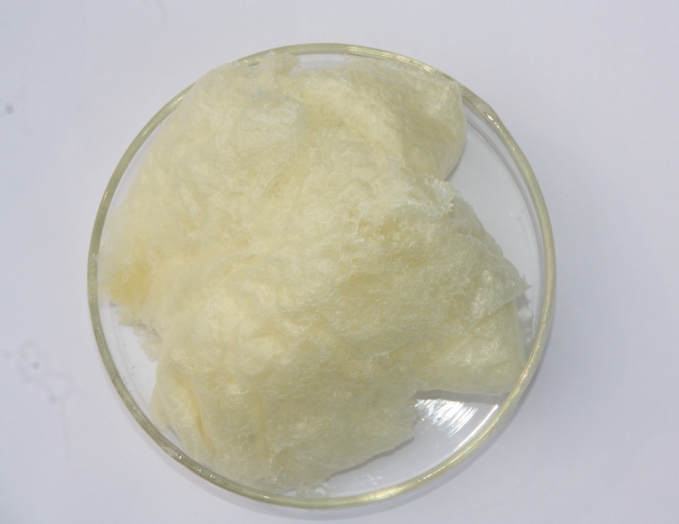
Phospholipids as stabilizers: Used in suspensions, aerosol dispersions, and solid dispersions. For example, soybean phospholipids (soya lecithin) improve suspension and dispersion in benzathine penicillin formulations, while their addition to glyceride suppository bases enhances lubrication and protection.

